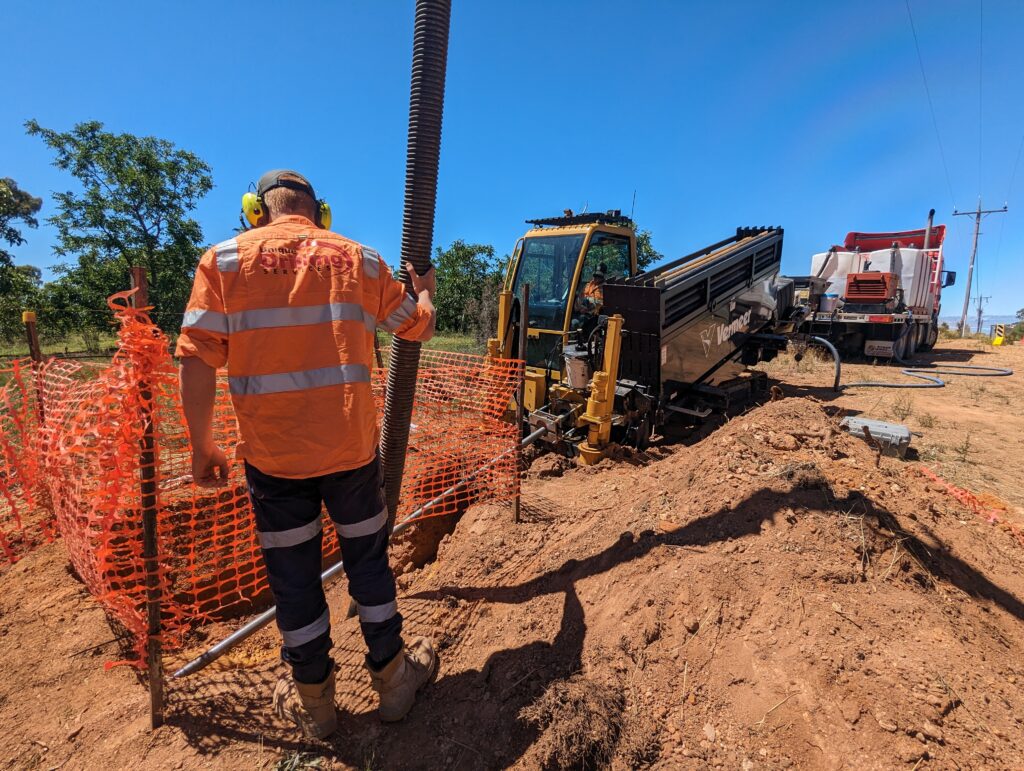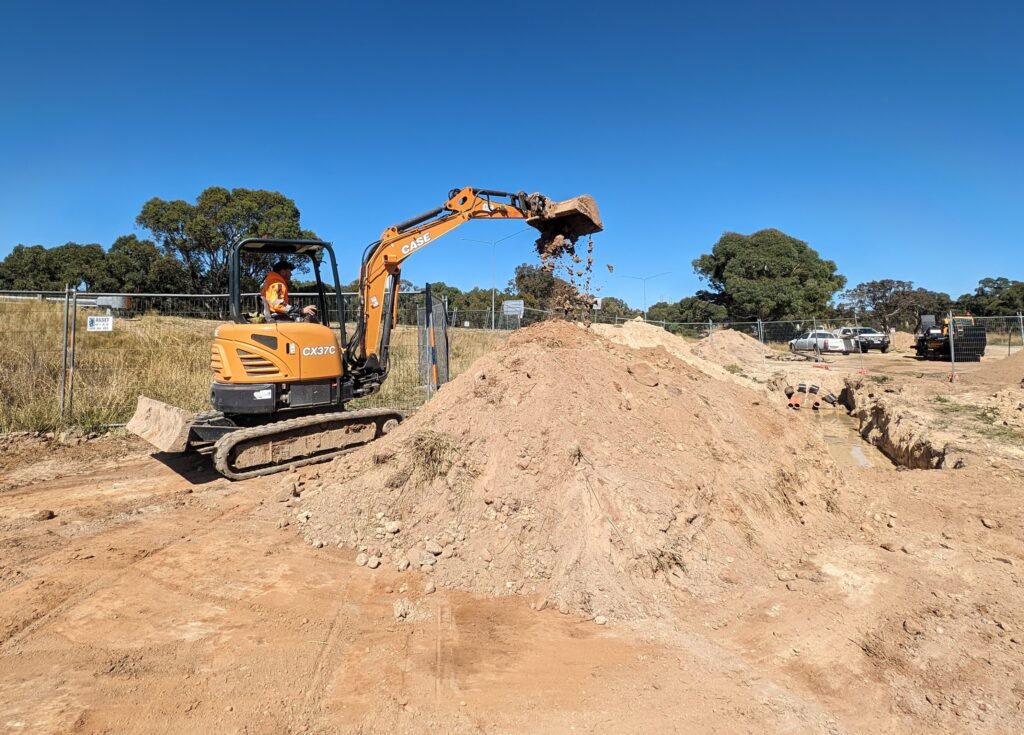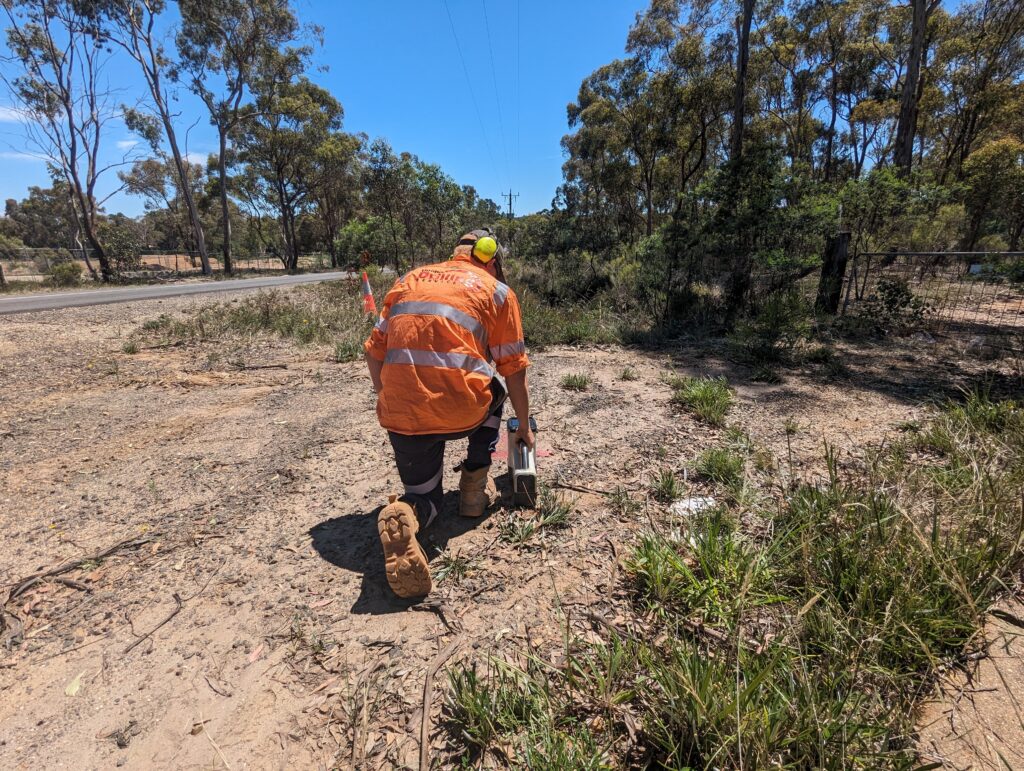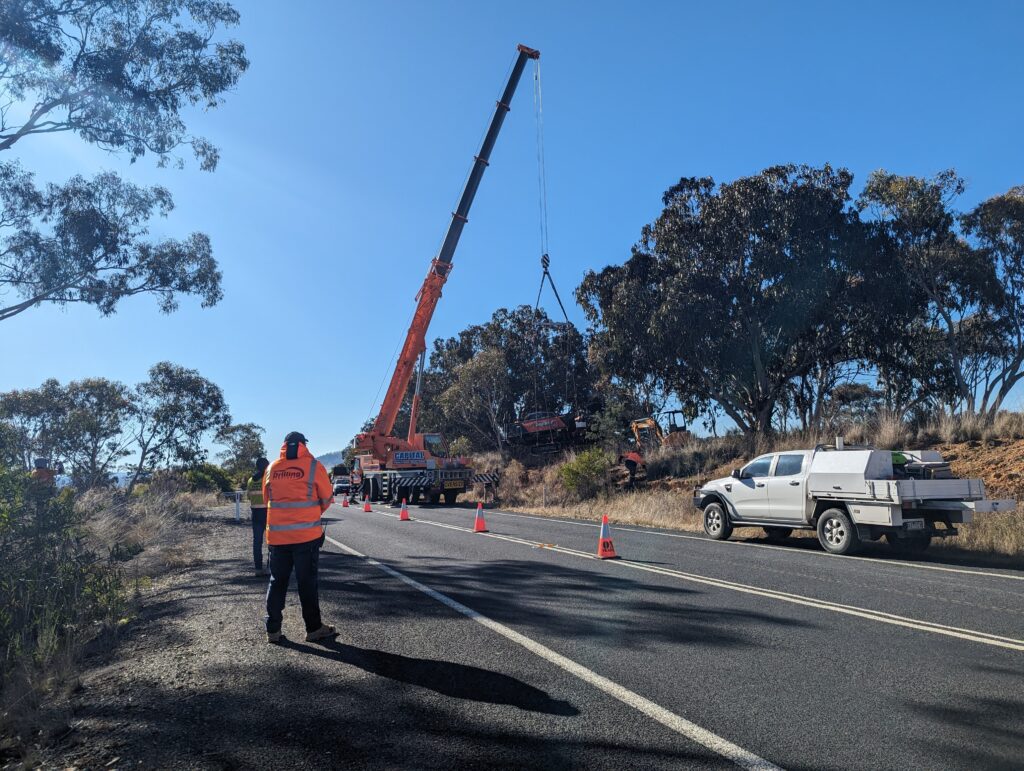
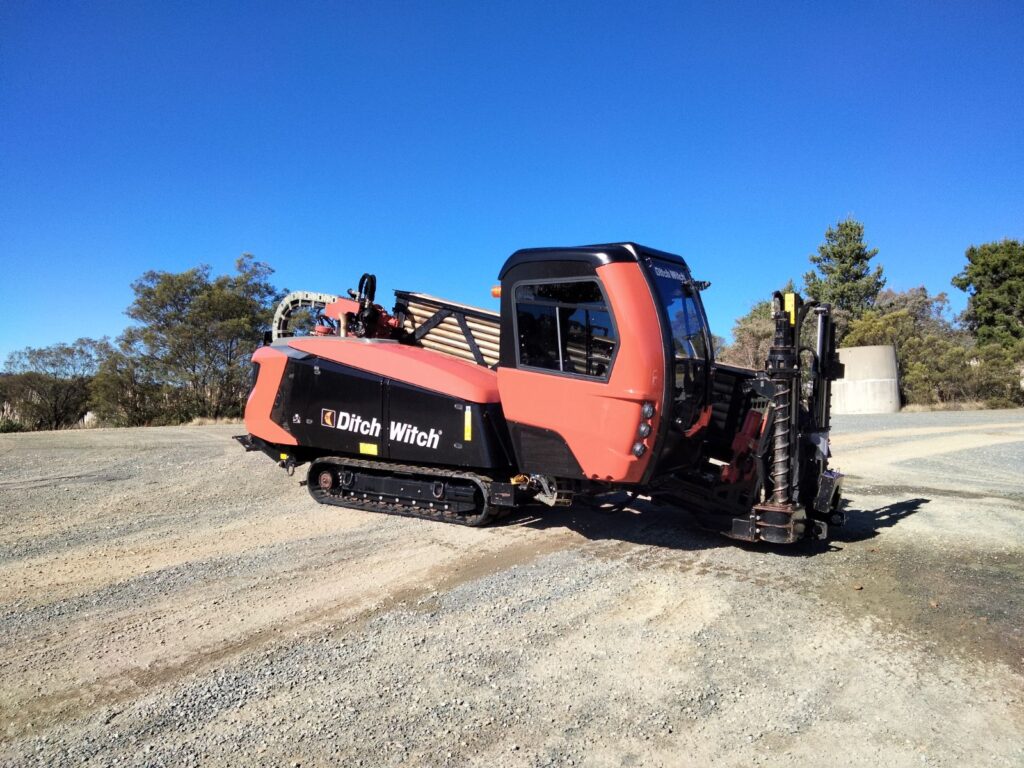
Horizontal directional drilling (HDD), also known as directional boring, is a trenchless method of installing underground utilities, pipelines, and conduits. It involves drilling a hole horizontally through soil or rock in a predetermined direction using specialised equipment and techniques.
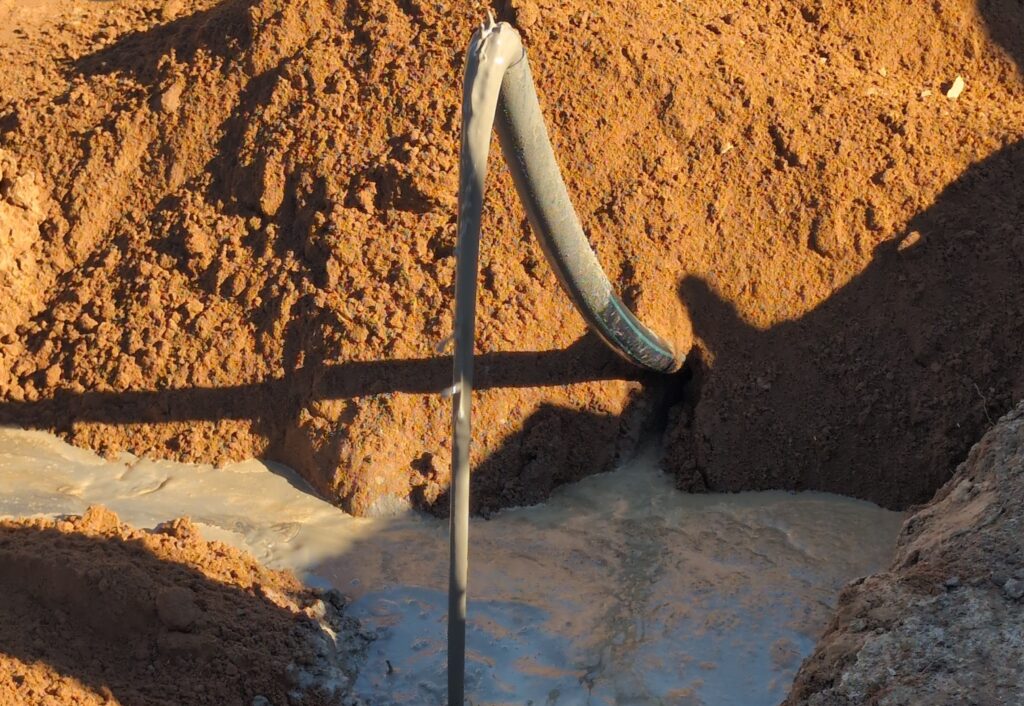
The HDD process begins with a pilot hole being drilled along the desired path for the utility. Once the pilot hole is complete, it is enlarged by using a reamer to make a hole large enough to accommodate the utility. The utility is then pulled through the enlarged hole and connected at both ends.
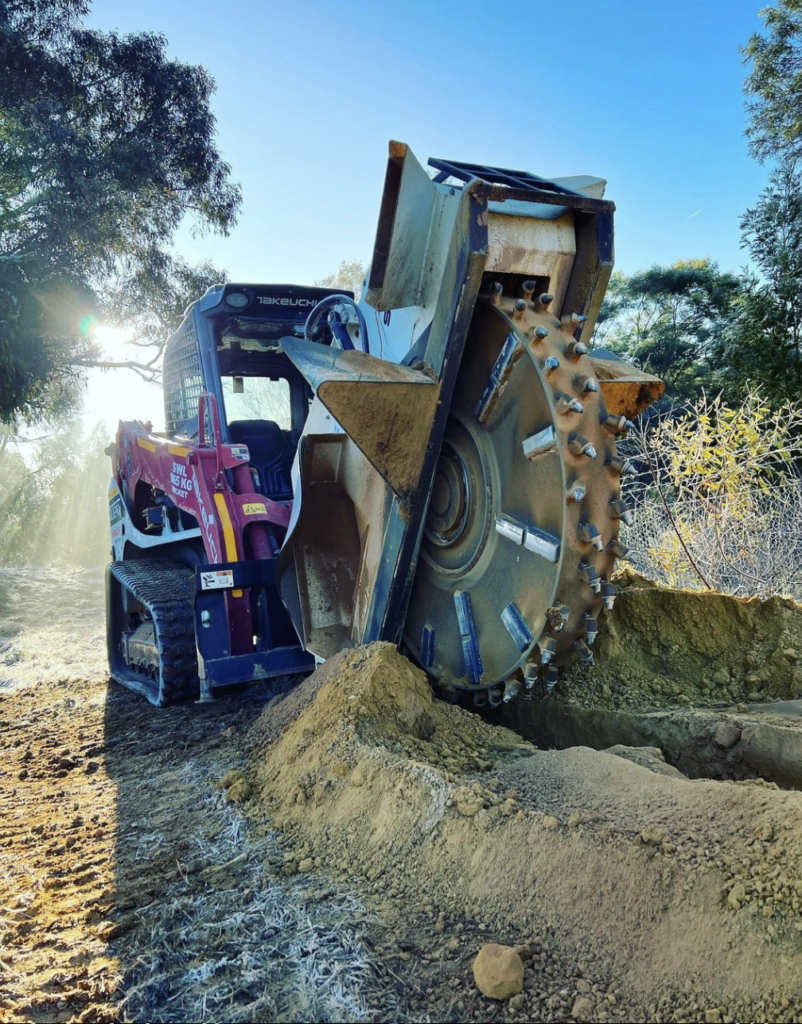
HDD offers several advantages over traditional open trench excavation methods, including less disruption to the environment and reduced construction time and costs. HDD is commonly used for installations under roads, highways, rivers, and other obstacles that would be difficult or expensive to excavate.